
Talk with your healthcare provider about treatment for specific symptoms like pain, anger, or sleep problems. Individuals often report dramatically higher life satisfaction once they have sustained a period of stable recovery, reflecting the substantial personal, familial, and societal rewards of effective treatment. Although the early months in recovery are marked by vulnerability, the majority of people who stick with treatment, aftercare, and ongoing support do attain lasting improvements. The most effective path often combines multiple approaches tailored to the individual.
- Our state-specific resource guides offer a comprehensive overview of drug and alcohol addiction treatment options available in your area.
- These approaches recognize the interconnected nature of the two conditions and aim to provide comprehensive care that addresses both trauma and substance use.
- When PTSD and substance use disorder (SUD) occur together, they create complex challenges for healthcare providers in both diagnosis and treatment planning.
- Veterans Treatment Courts provide an alternative to incarceration for veterans charged with non-violent offenses, focusing on rehabilitation instead.
- As the negative consequences accumulate, individuals may experience a sense of shame, guilt, or self-blame.
The Epidemiology of Post-Traumatic Stress Disorder and Alcohol Use Disorder
- Despite the availability of VA and community-based programs, most veterans with substance use disorders do not receive formal treatment in a given year.
- Dual diagnosis treatment often combines trauma-focused therapies with addiction counseling, supported by pharmacotherapy when appropriate.
- The most effective path often combines multiple approaches tailored to the individual.
- When it comes to PTSD and alcoholism, these two conditions often co-occur, meaning they frequently appear together in individuals.
Those with the strongest evidence include Cognitive Processing Therapy (CPT), Prolonged Exposure (PE), and Eye ptsd and alcohol abuse Movement Desensitization and Reprocessing (EMDR). Some people who either experience several traumatic events or continually reexperience the same event, as people with chronic PTSD do, will drink to reproduce the numbing effects experienced with increased levels of endorphins. The constant reexperiencing of the PTSD symptoms causes an initial increase in endorphin activity followed by a rebound withdrawal. One study conducted with Vietnam combat veterans with chronic PTSD showed that their alcohol use generally began after the onset of PTSD symptoms. For many of the patients, alcohol consumption continued to increase as their symptoms of PTSD increased (Bremner et al. 1996).
For Loved Ones: How to Support a Loved One’s Mental Health
Alcohol is a depressant that affects the central nervous system, altering mood, cognition, and behavior. Over time, alcohol can intensify symptoms such as depression, irritability, and aggression, making it even more challenging to manage the effects of PTSD. PTSD can significantly impact an individual’s daily functioning, relationships, and overall well-being. Without proper treatment and support, those with PTSD may experience difficulties in various aspects of their lives. While it’s easier said than done, building a support system will be critically important for ensuring your success. Find people who will be there for you throughout your recovery–including those who have faced similar struggles.
Symptoms of PTSD and Alcohol Use Disorder Differ by Gender.

We speculate that as trauma-related memories brought up during therapy may cause a release of endorphins and subsequent emotional numbing, this may interfere with the patient’s ability to engage in therapy fully. We also speculate that as endorphin levels decrease after the therapy session ends, endorphin withdrawal may lead to increased alcohol craving. Although alcohol use may temporarily relieve PTSD symptoms, alcohol withdrawal intensifies such symptoms. To avoid the increase in PTSD symptoms following a bout of drinking, the patient is caught in a vicious cycle in which he or she must continue to drink to avoid the unpleasant reaction following an alcoholic binge. An opioid antagonist such as a naltrexone would block the endorphin response and reduce the desire for alcohol.
Early experience with trauma (e.g., a history of childhood sexual or physical abuse) also heightens a person’s susceptibility to https://minac-gov.com/2021/06/16/unveiling-the-truth-do-alcoholics-really-smell/ severe PTSD symptoms as an adult. For example, victims of childhood physical and sexual abuse are at higher risk for developing PTSD symptoms following traumatic events in adulthood (Breslau et al. 1999). Medications can play a crucial role in treating individuals with co-occurring PTSD and substance use disorders (SUD). They help manage symptoms of both conditions simultaneously, ultimately leading to more effective recovery outcomes.
- Medication may also be prescribed to manage symptoms, although research on effective pharmacological treatments for comorbid PTSD and alcohol use disorder is limited.
- First, therapy aimed at increasing one’s sense of mastery over traumatic events can help patients cope when exposed to trauma reminders.
- A strong network can provide emotional support and accountability, aiding in long-term recovery.
- This behavior is supported by what is known as the self-medication hypothesis—that individuals use drugs or alcohol as a way to alleviate their trauma-related symptoms.
Effects of Alcohol on PTSD Symptoms
Veterans are a Sober living house unique demographic with service-related stressors, including combat trauma, multiple deployments, and reintegration difficulties that can elevate substance misuse risks. Tracking the prevalence, types of substances used, and treatment outcomes allows health professionals and policymakers to refine interventions that effectively reduce harm and support long-term recovery. Perhaps most alarmingly, the co-occurrence of PTSD and alcohol use disorder significantly increases the risk of suicide and self-harm. The combination of trauma-related distress and the disinhibiting effects of alcohol can create a dangerous scenario where individuals are more likely to act on suicidal thoughts.

Housing Stability: A Cornerstone of Recovery
Whether you suffer from alcohol addiction, opioid addiction, or addiction to other substances, the IHAT model can work for you. This is affected by a range of like the duration of treatment, aftercare programs, and family support. Participation in peer support groups like Alcoholics Anonymous also contributes significantly to successful recovery.
Environmental Factors: Peer pressure, stress, and cultural norms significantly contribute to alcohol dependency
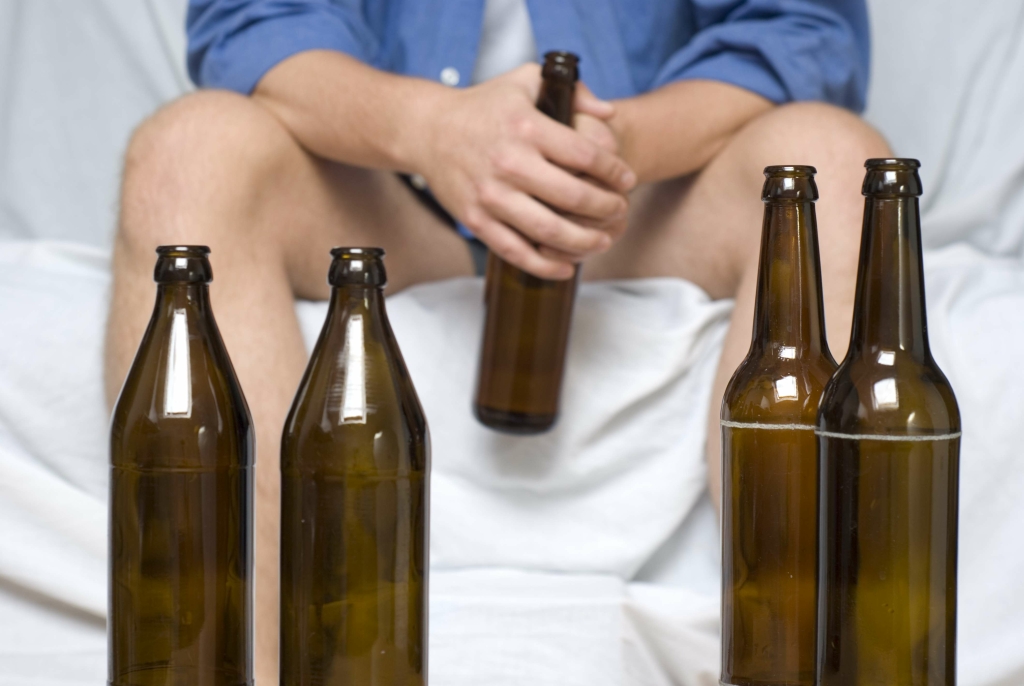
PTSD and alcohol abuse can occur together due to the tendency of people diagnosed with PTSD to engage in self-destructive behaviour and the desire to avoid thinking about the trauma. Relapse is common but does not mean failure; it highlights the need to adjust the treatment plan and continue on. Support from therapists, peer groups, and family can greatly improve recovery, helping individuals reduce substance use, improve their quality of life, and maintain long-term success.